Burnt Oak Upholstery Cleaning Guide for Local Homes
If your sofa has started to look tired, your dining chairs have picked up mystery marks, or the armchair in the front room smells a bit "lived in", you are not alone. This Burnt Oak upholstery cleaning guide for local homes is here to help you understand what works, what can go wrong, and how to get cleaner, fresher furniture without damaging the fabric. In a lot of Burnt Oak homes, upholstery works hard every day - family life, pets, spills, dusty windows, muddy shoes, all of it. The good news? With the right approach, most pieces can be revived rather than replaced.
Below you will find a practical, local-friendly guide covering methods, timing, common mistakes, and when to bring in a specialist. If you are comparing options for a bigger clean across the property, you may also find our pages on sofa cleaning, upholstery cleaning, and stain removal useful.
Table of Contents
- Why Burnt Oak upholstery cleaning matters for local homes
- How upholstery cleaning works
- Key benefits and practical advantages
- Who this guide is for and when it makes sense
- Step-by-step guidance
- Expert tips for better results
- Common mistakes to avoid
- Tools, resources and recommendations
- Law, compliance, standards, or best practice
- Options, methods, or comparison table
- Case study or real-world example
- Practical checklist
- Conclusion
- Frequently asked questions
Why Burnt Oak Upholstery Cleaning Guide for Local Homes Matters
Upholstery tends to age quietly. It rarely fails all at once. Instead, you notice the gradual dulling of colour, the flattened fibres on the favourite seat, or that faint smell that seems to hang around after a rainy week. In Burnt Oak homes, that slow build-up can be made worse by the usual London mix of traffic dust, damp shoes at the door, and busy family routines. Nothing dramatic - just enough to leave furniture looking a bit neglected.
Cleaning upholstery matters because fabric acts like a filter. It catches skin flakes, dust, pet hair, pollen, food crumbs, and the residue from hands and everyday life. Leave that build-up long enough and you do not just get a dirty appearance; you may also get abrasion, stubborn odours, and fibres that wear faster than they should. To be fair, many people only think about upholstery once a stain appears. By then, the job is often harder.
There is also a practical side. Fresh upholstery makes the whole room feel better. A lounge can look tidy enough on the surface, but if the sofa smells stale or the cushions are blotchy, the space never quite feels finished. That is one reason regular domestic cleaning and occasional deep maintenance go hand in hand. One keeps the home manageable; the other resets the fabric itself.
And let's face it, replacing a sofa or a set of dining chairs is not cheap. A careful clean often buys you a lot more life from what you already own. That is the kind of value local homeowners actually notice.
How Burnt Oak Upholstery Cleaning Guide for Local Homes Works
Upholstery cleaning is really a process of matching the right method to the right fabric and the right level of soiling. That sounds simple, but it is where most mistakes happen. A cotton blend sofa, for example, may tolerate moisture and cleaning solution very differently from velvet, linen, wool, or synthetic upholstery. So the first step is never "just scrub it". The first step is identify what you are working with.
In broad terms, upholstery cleaning works in four stages: inspection, dry soil removal, stain treatment, and controlled cleaning or extraction. A proper inspection checks the fabric type, colourfastness, seams, padding, and any warning labels. Dry soil removal means vacuuming thoroughly, including the seams and crevices where grit hides. This matters more than people think; grit behaves like sandpaper when sat on repeatedly.
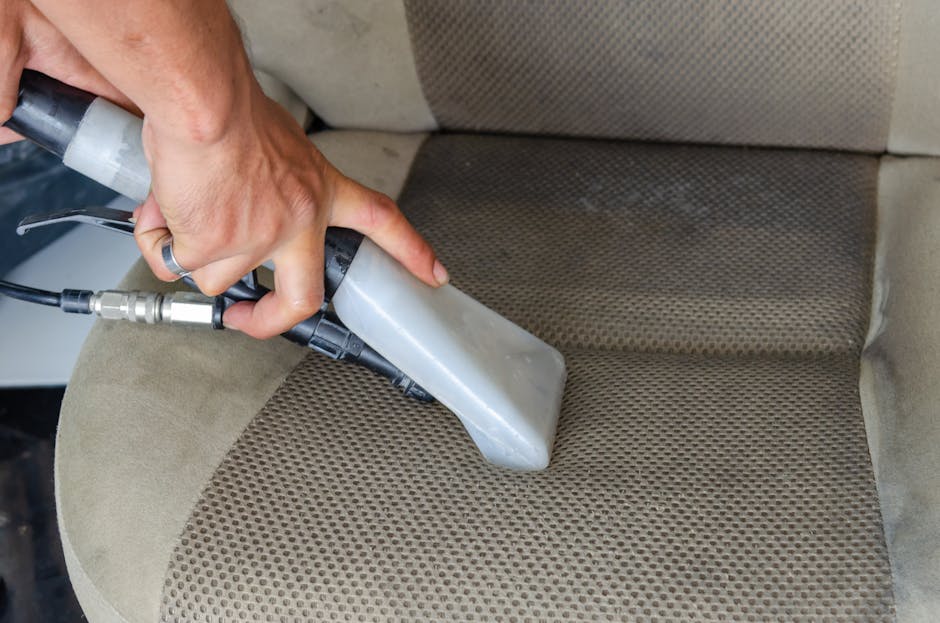
After that comes targeted treatment. Spot cleaning is not the same as treating the whole piece. A tea splash near the arm, pet odour in the cushion, or a greasy mark from takeaway food all need different handling. If the fabric permits, professional-grade methods may involve low-moisture cleaning, hot water extraction, or specialist solvent-based treatment. Our steam carpet cleaning page is useful for understanding how heat and extraction can help with deeper fabric cleaning, though upholstery always needs more caution than flooring.
Finally, drying is part of the job, not an afterthought. A piece that stays damp for too long can develop odours or, in the worst cases, mildew. Good airflow, moderate room temperature, and not over-wetting the fabric are all part of the process. Simple enough in theory. A bit fiddly in practice, which is why attention matters.
Key Benefits and Practical Advantages
There is more to upholstery cleaning than making a sofa look nice for guests, although that is a decent side benefit. The real advantages are longer life, better hygiene, and a home that feels calmer and more looked after.
- Improved appearance: Colours look brighter and fibres sit more evenly once embedded grime is removed.
- Reduced odours: Everyday smells from cooking, pets, and humidity can cling to fabric.
- Better fabric lifespan: Removing grit and residue helps slow visible wear.
- More comfortable living spaces: Clean upholstery changes the feel of a room, honestly.
- Healthier environment: While cleaning is not a medical treatment, it can reduce the amount of dust and debris sitting in soft furnishings.
- Better presentation for special occasions: Handy if you are hosting family, letting a property, or preparing for photos.
For local households, another practical advantage is flexibility. You do not always need a full-home deep clean. Sometimes one sofa, one armchair, or a pair of dining seats is enough to make the room feel revived. If you are already planning a broader reset, pairing upholstery work with deep cleaning can make sense because both target the hidden build-up that ordinary weekly cleaning misses.
One small but common benefit people overlook: colour consistency. When one seat is cleaner than the rest, the whole set can suddenly look mismatched. A proper clean helps the furniture read as a single, cared-for piece again.
Who This Is For and When It Makes Sense
This guide is for anyone in Burnt Oak who wants their upholstery to last longer and look better, but the reasons people book a clean vary quite a bit. A young family might need help with sticky handprints and snack spills. A pet owner may be dealing with fur, odour, or the occasional muddy paw disaster. Someone moving house may need furniture looking presentable before a handover or a new start. Different situation, same basic problem.
It also makes sense if your furniture is not visibly dirty but feels a bit flat or stale. That is often the stage where cleaning works best. Waiting until a fabric is heavily stained means more effort and more risk. If you are moving in or out, upholstery can be one part of a broader schedule alongside move-in cleaning or move-out cleaning. If you rent, that can be especially helpful because soft furnishings are easy to overlook when you are focused on kitchens and bathrooms.
It also makes sense for households that run on routines. The sofa where everyone lands after school, the headboard that picks up dust, the breakfast bench that gets used every day - these are all high-contact items. They do not always scream for attention, but they benefit most from regular care.
Who may need extra caution? Delicate fabrics, antique furniture, water-sensitive materials, and anything with unknown construction. If you are unsure, pause and test first. That small delay can save a costly mistake. A bit boring, yes. Also sensible.
Step-by-Step Guidance
Here is a practical way to approach upholstery cleaning at home without rushing into trouble.
- Check the care label. Look for fabric instructions, cleaning codes, and any warnings about moisture or solvents. If there is no label, treat the piece cautiously.
- Vacuum thoroughly. Use a upholstery attachment and work into seams, buttons, folds, and under cushions. This removes dry debris before it gets turned into mud.
- Test a hidden patch. Pick a low-visibility spot and test your chosen cleaner. Wait for the fabric to dry fully before judging the result.
- Treat stains individually. Blot, do not rub. A clean white cloth is usually better than a colourful towel that might transfer dye.
- Apply the right method. Use minimal moisture on delicate fabrics; use more controlled extraction on robust fabrics if appropriate.
- Work evenly. Avoid over-wetting one area while leaving another untouched. Patchy cleaning often leaves rings.
- Blot and lift residue. Remove as much moisture and product as you can after treatment.
- Dry properly. Keep windows open if weather allows, or use gentle airflow. Do not sit on the furniture until it is genuinely dry.
A useful rule: if a stain is spreading, you are probably adding too much liquid. That is a common home-cleaning trap. Less can be more. Slightly annoying, but true.
If the upholstery is part of a larger room refresh, you may want to look at curtain cleaning at the same time. Soft furnishings often collect the same dust and odours, so cleaning one without the other can feel a bit half-done.
Expert Tips for Better Results
Small improvements make a big difference here. Upholstery responds well to patience, not force. In our experience, the best results usually come from careful prep rather than aggressive cleaning.
Tip 1: Vacuum before and after cleaning. Once before to remove grit, and once after drying to lift the pile back up. That second vacuum is oddly satisfying too.
Tip 2: Use white cloths for stain work. You will avoid transferring colour, and you can see exactly what is coming off the fabric.
Tip 3: Deal with spills quickly, but not wildly. A calm blotting motion beats frantic rubbing every time. Everybody learns this the hard way at least once.
Tip 4: Do not assume all foam cleaners are safe for all fabrics. Read the instructions, and if the product is strong, use less than you think you need.
Tip 5: Watch the cushion filling. Sometimes the cover looks fine, but the interior has soaked up odour or residue. That is where professional help can be worth it.
Tip 6: If you have pets, regular maintenance is more effective than occasional rescue cleaning. A weekly vacuum and quick spot treatment can prevent a lot of drama. Truth be told, pets usually win the battle if you leave it too long.
For severe odour or pet-related contamination, a specialist pet stain odour removal service can be the sensible next step. Odour is often deeper in the filling than people realise.
Common Mistakes to Avoid
Upholstery cleaning mistakes are often small, but the damage they cause can linger. Here are the ones we see most often.
- Scrubbing a stain hard: This can spread the mark and damage the fibre texture.
- Using too much water: Wet padding dries slowly and can create odour or rings.
- Skipping the test patch: This is how colour loss and patchy finishes happen.
- Cleaning the visible stain only: A halo can remain if the whole affected area is not blended properly.
- Using the wrong product: Strong cleaners can bleach, stain, or stiffen the fabric.
- Ignoring drying time: Sitting on damp upholstery is a recipe for flattened fibres and a slightly sad sofa.
- Forgetting the frame and seams: Dust and crumbs collect everywhere, not just on the surface.
One subtle mistake is cleaning too rarely. People wait for a visible crisis, then try to solve everything in one go. A gentler maintenance schedule is usually better and less stressful. Not glamorous, but it works.
Tools, Resources and Recommendations
You do not need a cupboard full of specialist gear to maintain upholstery properly. A few dependable tools are enough for routine care, while more advanced jobs may need professional equipment.
| Tool or Resource | Best Use | Why It Helps |
|---|---|---|
| Upholstery vacuum attachment | Routine dust and crumb removal | Reaches seams and avoids damaging fabric |
| White microfibre cloths | Spot treatment and blotting | Clean, absorbent, and low risk of dye transfer |
| Soft fabric brush | Lifting dried soil and restoring pile | Gentle on fibres when used carefully |
| Mild upholstery cleaner | General surface cleaning | Suitable for many common synthetic fabrics, if tested first |
| Fan or airflow | Drying | Helps reduce dampness after cleaning |
| Professional inspection | Delicate or valuable items | Reduces the chance of damage from guesswork |
If the furniture is part of a larger household refresh, it can be practical to align upholstery care with house cleaning or a one-off reset. Some homes need that after illness, a busy season, or simply after a winter where everything feels a little stale by March.
For households with mixed floor and soft furnishing needs, combining upholstery work with carpet cleaning is often efficient because the same dust, spills, and foot traffic affect both surfaces. It can make a room feel properly finished rather than just partially improved.
Law, Compliance, Standards, or Best Practice
For domestic upholstery cleaning, there is not a single "law of the sofa" to follow, thankfully. But there are sensible best-practice points that matter in the UK, especially around safety, product use, and care of property. If you are cleaning in your own home, the key is to use products according to the manufacturer's instructions and avoid mixing chemicals. That sounds basic because it is basic - and still worth saying.
If you are hiring a professional cleaner, it is reasonable to expect clear communication about fabric suitability, drying times, and any limitations before work begins. Reputable providers usually follow their own safety procedures and insurance requirements. If you want to understand how a company approaches this side of the work, pages such as insurance and safety and health and safety policy can help set expectations.
There is also a wider best-practice issue around care and fairness. If a company says a fabric is unsuitable for wet cleaning, that should be respected. Pushing ahead anyway is how costly damage happens. Proper upholstery cleaning is as much about restraint as it is about technique.
For landlords, tenants, and homeowners dealing with end-of-occupation cleaning, upholstery can be part of a reasonable maintenance standard, though exact requirements depend on the property and agreement. If you are planning a move, our end of tenancy cleaning page may also be relevant. Soft furnishings are one of those areas people forget until the final walk-through. Then suddenly, they matter a lot.
Options, Methods, or Comparison Table
Different upholstery cleaning methods suit different fabrics and situations. Here is a simple comparison to help you decide what may be appropriate.
| Method | Best For | Pros | Watch Outs |
|---|---|---|---|
| Vacuum and dry brushing | Regular maintenance | Low risk, easy, good for dust and hair | Won't remove deep stains or odours |
| Light spot cleaning | Small fresh spills | Quick, targeted, inexpensive | Can leave marks if overdone |
| Low-moisture upholstery cleaning | General domestic furniture | Balanced cleaning with less drying time | Still needs testing and care on delicate fabrics |
| Hot water extraction | Robust fabrics and heavy soiling | Strong deep-clean effect | Not suitable for every material |
| Specialist solvent cleaning | Delicate or dry-clean-only items | Can suit sensitive textiles | Needs experience and correct product choice |
So which one is best? That depends on the fabric, the stain, and how much drying time you can manage. If your sofa is a family workhorse, a deeper method may be justified. If it is a relatively new accent chair with a coffee mark, spot treatment may be enough. The right answer is usually the least aggressive method that still solves the problem.
For some homes, a combined approach works best: routine vacuuming, occasional spot treatment, and periodic professional cleaning. Simple, steady, done.
Case Study or Real-World Example
A typical Burnt Oak example goes like this. A family notices their three-seater sofa looks fine from across the room, but up close the arms are darker, the seat cushions smell slightly stale, and one side has a faint food stain from a Friday-night takeaway. Nothing terrible. Just enough to feel irritating every time they walk into the room.
They start by vacuuming thoroughly, then checking the care label. The fabric is synthetic, which gives them a bit more flexibility. After a test patch on the back panel, they treat the arm marks with a mild cleaner and blot carefully. The food stain softens, but the odour remains, especially in the cushion filling. At that point, they stop trying to force it themselves and arrange a deeper clean for the upholstery along with the living room carpet.
The result is not just visual. The room feels lighter. The stale smell fades. The sofa looks closer to its original colour, and the family stops avoiding the "good seat" by the window. That part always makes me smile a little. Furniture should be used, after all - just not left to fend for itself.
That is the general pattern with home upholstery. Small jobs can be handled in-house. Once the problem sinks into the padding, a specialist clean becomes much more sensible.
Practical Checklist
Before you clean upholstered furniture in a Burnt Oak home, run through this quick checklist.
- Read the care label and cleaning code.
- Vacuum all surfaces, seams, and underneath cushions.
- Test any cleaner in a hidden area first.
- Identify whether the issue is dust, stain, odour, or all three.
- Use the smallest amount of moisture needed.
- Blot, do not scrub.
- Let the piece dry fully with airflow.
- Check for colour change, rings, or stiffness after drying.
- Repeat lightly if needed, rather than overdoing one pass.
- Book professional help if the fabric is delicate, valuable, or heavily contaminated.
Expert summary: good upholstery cleaning is careful, methodical, and fabric-aware. If you treat the material kindly, it usually rewards you. Push too hard, and it will let you know.
Get a free quote today and see how much you can save.
Conclusion
Burnt Oak homeowners do not need perfect furniture. They need furniture that feels clean, comfortable, and well cared for. That is a realistic goal, and upholstery cleaning is one of the simplest ways to get there. Whether you are dealing with everyday dust, an awkward stain, pet odour, or just the creeping dullness that happens over time, the right method makes a visible difference.
Keep it gentle, test first, dry properly, and do not wait for a small issue to turn into a full upholstery rescue mission. A bit of maintenance now saves money, time, and hassle later. And if a piece is proving stubborn, there is no shame in calling for help. Sometimes the smartest clean is the one you do not try to force alone.
Clean furniture changes how a home feels. Quietly, but properly. That kind of improvement lasts.
Frequently Asked Questions
How often should upholstery be cleaned in a Burnt Oak home?
For most homes, light maintenance should happen weekly with vacuuming, while deeper cleaning is often needed every 6 to 12 months depending on use, pets, children, and fabric type. High-use sofas may need attention sooner.
Can I use the same cleaner on every sofa fabric?
No. Different fabrics react differently to water, heat, and cleaning agents. Always check the care label first and test any product in a hidden area. What works on one sofa can damage another, which is a bit annoying but very real.
What is the safest way to remove a fresh stain from upholstery?
Blot the spill gently with a clean white cloth, working from the outside of the stain inward. Avoid scrubbing or soaking the fabric. If needed, use a small amount of suitable cleaner after testing it first.
Is steam cleaning safe for upholstery?
Sometimes, but not always. Upholstery is more sensitive than carpet, so the fabric type and construction matter a lot. Some pieces tolerate low-moisture or extraction cleaning well, while others do not. When in doubt, test or get advice.
Why does my sofa smell worse after I clean it?
That usually happens when too much moisture reaches the padding or when the piece does not dry properly. Odours can also be released from deeper layers during cleaning. Good airflow and careful moisture control are essential.
How long does upholstery take to dry?
Drying time depends on the fabric, room temperature, humidity, and how much liquid was used. Light cleaning may dry fairly quickly, while deeper work can take longer. It is better to allow extra time than rush it.
Can upholstery cleaning remove pet hair and pet odour?
Yes, to a good extent, especially when vacuuming is done thoroughly before cleaning. Pet odour may need more than a surface clean if it has soaked into cushions or filling, so specialist treatment can help.
Will upholstery cleaning remove old stains completely?
Not always. Older stains can set into the fibres or padding and become much harder to remove. Cleaning may improve them significantly, but some marks may only fade rather than disappear entirely.
Should I clean upholstery before or after carpet cleaning?
Either can work, but many people prefer to clean upholstery first or do both as part of the same visit. That way, dust or residue from the soft furnishings does not fall onto freshly cleaned flooring.
Is it worth hiring a professional for one sofa?
Often, yes, especially if the sofa is expensive, delicate, heavily stained, or badly odoured. A professional can assess the fabric and choose the safest method rather than guessing. That alone can be worth it.
Can regular cleaning really extend the life of my furniture?
Yes. Removing grit, body oils, crumbs, and residue helps reduce fibre wear and keeps fabrics looking fresher for longer. It is one of those quiet habits that pays off over time.
What if my upholstery has no care label?
Use extra caution, test first, and avoid heavy moisture. If the fabric looks delicate or the item is valuable, it may be safer to seek professional advice before cleaning. Better safe than sorry, honestly.
If you are planning a wider home refresh, you may also find support through regular cleaning for ongoing upkeep or one-off cleaning for a more focused reset. Either way, a fresher home usually starts with the surfaces you touch most.